Learning how to live with rejection as a Creative
One of the most uncomfortable parts of working in creative industries is realizing how much rejection quietly exists behind almost every career that people admire from the outside. When you first start creating, you naturally assume that talent, effort, or originality will eventually lead to consistent opportunities, but the longer you work in creative environments, the more you understand that the relationship between quality and outcome is far less predictable than most people want to believe.
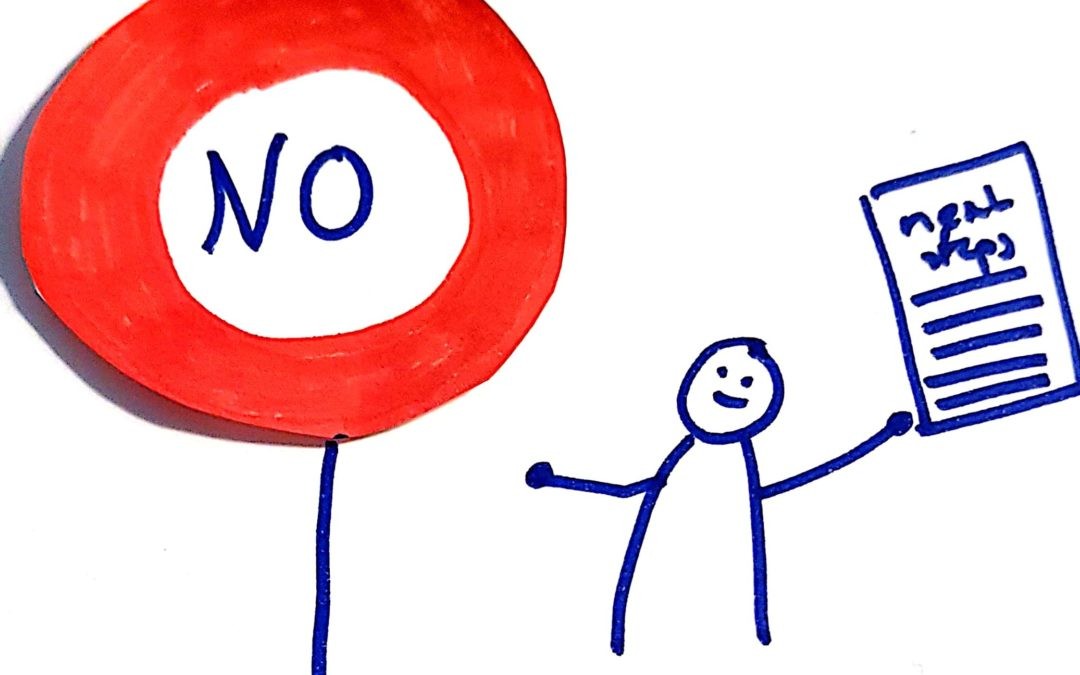
Last week, we presented the final piece to a client. The culmination of ever-lasting weeks developing an idea into something concrete. We felt it was what the client wanted, what the viewers would like, another project that we would be proud of. But no, we fucked up. Nothing breaks your heart into more shattered pieces than a written e-mail that doesn’t approve of your craft.
You can spend weeks developing an idea that genuinely feels thoughtful and refined, present work that you are proud of, and still have someone decide that they want to move in another direction without offering any explanation that feels satisfying or clear. Sometimes the rejection is direct, but most of the time it arrives in quieter ways that somehow feel even more unsettling. A conversation slowly loses momentum, emails stop being answered, enthusiasm disappears, or a project you thought was progressing simply never materializes into anything concrete.
What makes rejection particularly difficult in creative work is that the work itself is rarely separate from the person creating it. Most creatives develop a relationship with their work that is deeply personal because the things they make are usually shaped by their taste, references, emotional sensitivity, way of observing the world, and ability to translate abstract thoughts into something visible or tangible. Because of that, it becomes extremely difficult to fully separate criticism or rejection of the work from criticism or rejection of yourself, even when you intellectually understand that the two things are not necessarily the same.
You can spend weeks developing an idea that genuinely feels thoughtful and refined, present work that you are proud of, and still have someone decide that they want to move in another direction without offering any explanation that feels satisfying or clear.
I think many creatives spend years trying to understand rejection as if there is always a hidden lesson or objective explanation behind it, but eventually you realize that creative industries are often driven by factors that have very little to do with whether the work itself is objectively good or bad. Sometimes clients choose what feels familiar because familiarity feels safer. Sometimes they choose based on budget, timing, convenience, or personal relationships that existed long before you entered the conversation. Sometimes people simply connect more naturally with another person’s perspective, and no amount of technical skill can completely control that outcome.
That uncertainty can become emotionally exhausting because creatives are naturally inclined to search for meaning in everything that happens to them. After losing an opportunity, it is easy to replay every conversation in your head, trying to identify what you should have said differently or whether there was a moment where things shifted without you noticing. You begin questioning your instincts, your work, your direction, and eventually your own value, especially during periods where rejection starts happening repeatedly without any obvious reason.
What I have slowly realized is that rejection only becomes truly destructive when you start allowing it to define the way you see yourself instead of the way you see a specific situation. If every rejection becomes evidence that you are not talented enough, not interesting enough, or not capable enough, creative work eventually becomes impossible to sustain in a healthy way because your entire sense of self starts depending on external validation that you cannot fully control.
And ironically, this is usually the moment where the work itself begins to suffer. Once creatives become too focused on avoiding rejection, they often start adjusting themselves excessively in order to become more acceptable, more understandable, or more commercially safe. Instead of making honest decisions, they begin trying to predict what other people want from them, which slowly disconnects them from the instincts and perspective that made their work feel personal in the first place.